I was recently reading through an OSHA accident report where an employee was resetting a 480-volt circuit breaker. The breaker failed and the employee was burned on his left arm by the ensuing electric arc. He was hospitalized for his injuries.
As we can see from this story, The simple task of resetting a circuit breakers or replacing a blown fuse and then re-energizing the circuit, can have a very dangerous result. When a circuit breaker automatically trips or a fuse blows, the cause must be determined prior to re-energizing the circuit.
There are two probable causes for a fuse to blow or breaker to trip
- An overload condition exists. For instance, a pump bearing seizes and stalls the drive motor. The motor will draw large amounts of current up to the point that the breaker rating is exceeded. At this point the breaker will operate as required. Replace the bearing before re-energizing. Repeatedly resetting the breaker or replacing fuses puts you and your equipment at serious risk for injury, and or, increased levels of damage.
- A short-circuit or ground fault condition exists. For instance, a phase conductor has worn through its insulation inside of the motor termination box and is in direct contact with the grounded case. Reclosing the breaker into this type of situation could cause catastrophic failure of the breaker, creating an arc flash, etc.
 What does NFPA 70E and OSHA say about the danger of resetting breakers?
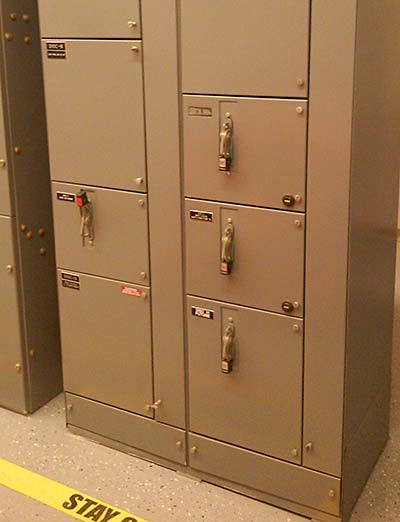 What does NFPA 70E and OSHA say about the danger of resetting breakers?
NFPA 70E fully recognizes the dangers of resetting breakers or replacing fuses and then restoring the power.
NFPA 70E 130.8 (M) States that a circuit may not be manually reenergized until it has been determined by a qualified person that it can be safely energized. The manual reclosing of circuit breakers or replaced fuses is prohibited until the fault is cleared.
OSHA 1910.334(b)(2), States that reclosing circuits after that after a circuit is de-energized by a circuit protective device, the circuit may not be manually reenergized until it has been determined that the equipment and circuit can be safely energized. The repetitive manual reclosing of circuit breakers or re-energizing circuits through replaced fuses is prohibited.
Prior to reclosing a breaker or replacing a blown fuse, electrical workers must have the know-how to determine the cause. They need to ensure that there are not any grounded conductors by using a megohm meter (megger), or at a minimum, performing a continuity test between all phases and ground. Low resistance readings indicate that there is a ground in the circuit. The ground must be repaired prior to energizing to avoid any dangerous failures.
Here is how we ensure the safety of our electrical workers with closing breakers
During your weekly safety talk explain the hazards associated with closing breakers or changing fuses without first determining the cause of the trip. Repetitive cycling of an overcurrent protective device should be prohibited by your electrical safety procedure. Provide your staff with the test equipment necessary to find short-circuits. Train them to use the equipment properly and understand the precautions needed to operate it safely.
See the full OSHA accident report at the link below
https://www.osha.gov/ords/imis/accidentsearch.accident_detail?id=657874