
Power system studies play a crucial role in designing safe and efficient electrical systems. These studies help engineers understand how electricity flows through a system and identify potential problems before they happen. Power system engineering services are essential for ensuring that electrical systems work properly and safely. By conducting thorough analyses, engineers can optimize system performance, enhance reliability, and reduce risks associated with electrical failures.
| Key Takeaways |
|---|
|


Why Power System Studies Matter
Power system studies help engineers:
- Find and fix problems before they cause trouble, preventing costly downtime and equipment damage
- Make sure the system works well and follows safety rules, ensuring compliance with industry standards and regulations
- Plan and design electrical systems that are safe and effective, optimizing performance and energy efficiency
- Assess the impact of system changes or additions, ensuring compatibility and maintaining system integrity
- Develop comprehensive safety protocols and procedures based on accurate system data
These studies are really important during the planning phase of a project. They help engineers create the best design possible, stop parts of the system from getting overloaded, and make sure everything works great. By conducting thorough analyses early in the design process, potential issues can be identified and addressed before they become costly problems during construction or operation. This proactive approach not only enhances safety but also contributes to the overall reliability and longevity of the electrical system.
Types of Power System Studies
1. Load Flow Studies
Load flow studies look at how electricity moves through the system. They help engineers make sure that all parts of the system can handle the amount of electricity flowing through them. This prevents overloads and makes the system work better. Load flow studies are essential for determining voltage profiles, power factor correction needs, and identifying potential bottlenecks in the system. By simulating various operating conditions, engineers can optimize the system's performance and ensure it meets both current and future demands.

2. Short Circuit Analysis
Short circuit analysis helps find places where the electricity might take a wrong path. This is important for keeping the system safe and stopping equipment from getting damaged. Arc flash assessments are a key part of this analysis. Short circuit studies determine the maximum fault currents that can occur at various points in the system, which is crucial for properly sizing protective devices and ensuring they can safely interrupt fault currents. This analysis also helps in designing grounding systems and selecting appropriate equipment ratings to withstand potential fault conditions.
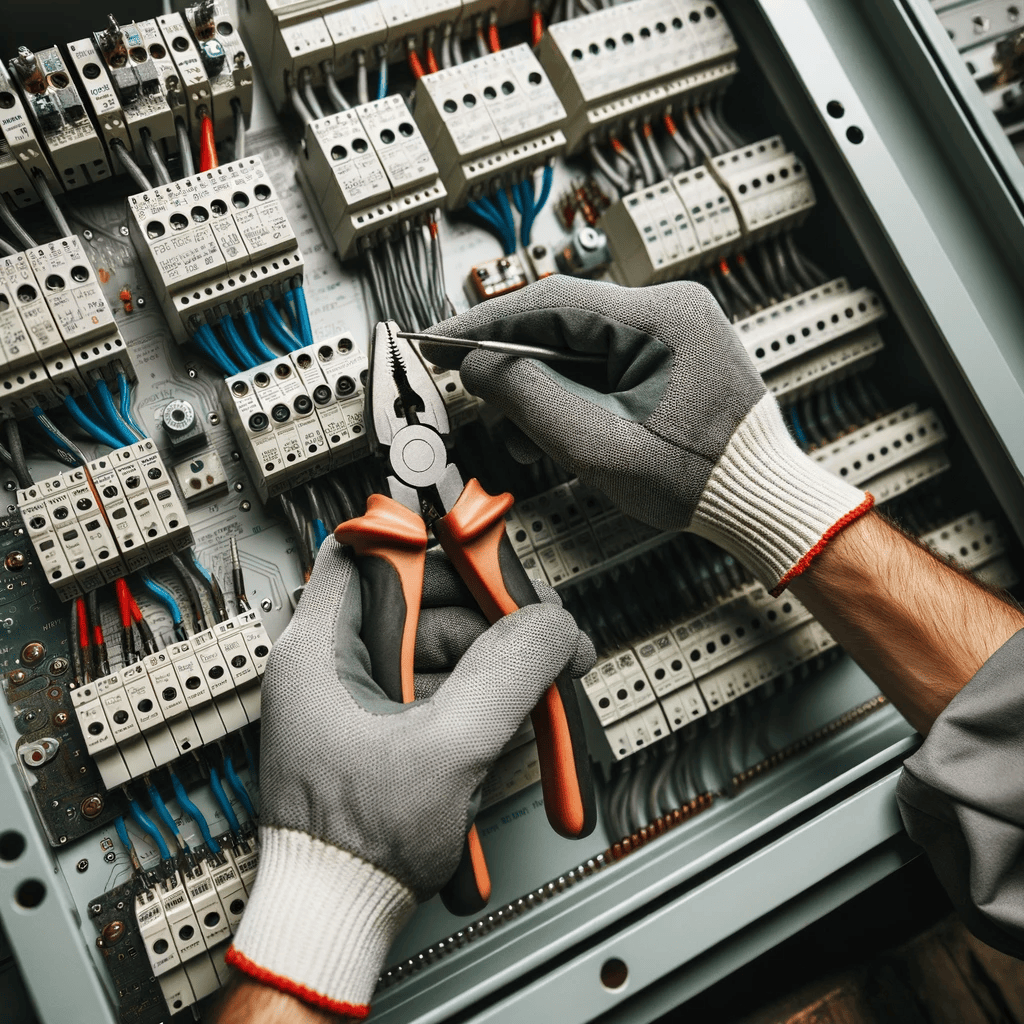

3. Arc Flash Hazard Analysis
Arc flash analysis is all about keeping people safe. It looks at where dangerous electrical sparks might happen and helps engineers design ways to protect workers. This analysis involves calculating the incident energy levels at various points in the system, determining arc flash boundaries, and specifying appropriate personal protective equipment (PPE) for workers. Arc flash studies are critical for developing safety procedures, creating warning labels, and implementing engineering controls to minimize the risk of arc flash incidents.

4. Protective Device Coordination
This study makes sure that if something goes wrong, the right parts of the system shut off to keep everyone safe. Reducing clearing time is an important part of this process. Protective device coordination studies involve analyzing the time-current characteristics of various protective devices in the system to ensure they operate in a coordinated manner. This coordination ensures that faults are isolated quickly and with minimal disruption to the rest of the system. Proper coordination also helps in minimizing arc flash hazards by reducing the duration of fault currents.


Benefits of Power System Studies
Optimal System Design
Studies help create the best system layout and component selection
Prevent Overloads
Analysis identifies potential weak points and overload risks
Improve Performance
Studies optimize system efficiency and reliability
Cost Savings
Early planning reduces costly changes later in the project
How Engineering Studies Improve Project Planning
- Analyze system requirements to ensure proper sizing and capacity
- Model different design options to find the best solution
- Identify potential failure points before construction begins
- Optimize component selection for performance and cost
- Simulate system behavior under various operating conditions
- Ensure compliance with safety standards and regulations
- Provide data-driven recommendations for decision making
Power system studies help make electrical systems safer, more reliable, and more efficient. They also help save money by finding problems early when they're easier to fix. By conducting comprehensive studies, engineers can optimize system performance, reduce energy losses, and extend the lifespan of electrical equipment. These studies also play a crucial role in ensuring compliance with industry standards and regulations, which is essential for both safety and legal reasons.
The Importance of Regular Updates
Electrical systems can change over time. That's why it's important to keep the arc flash boundary up to date. Regular studies make sure that safety measures still work as the system changes. As equipment ages, loads change, or new components are added to the system, the electrical characteristics can shift significantly. This can affect fault currents, arc flash hazards, and overall system performance. By conducting periodic studies, typically every 3-5 years or after major system changes, engineers can ensure that protection schemes remain effective and safety measures are still appropriate.

Real-World Example
Let's look at a real example. In one case study about incident energy, engineers used power system studies to figure out how much heat could be released if something went wrong. This helped them design better safety gear for workers. The study involved analyzing a specific electrical system to determine the potential arc flash incident energy at various points. By calculating these energy levels, engineers were able to specify appropriate personal protective equipment (PPE) for workers, establish safe working distances, and implement engineering controls to reduce the risk of arc flash incidents. This real-world application demonstrates how power system studies directly contribute to workplace safety and help organizations meet their duty of care obligations.


Conclusion
Power system studies are super important for making sure electrical systems are safe and work well. They help engineers find and fix problems before they cause trouble. By doing these studies during the planning phase, we can create better, safer electrical systems that last longer and cost less to run. These studies are not just a one-time effort but an ongoing process that ensures the continued safety and efficiency of electrical systems throughout their lifecycle.
Remember, electrical safety is always important. If you're working on an electrical project, make sure to include power system studies in your plan. They'll help keep everyone safe and make sure your system works great for years to come. Regular updates to these studies are crucial as systems evolve, ensuring that safety measures remain effective and that the system continues to operate at peak efficiency. By prioritizing power system studies, organizations can demonstrate their commitment to safety, reliability, and operational excellence in their electrical infrastructure.