
Understanding how fault current analysis and arc flash assessments work together is really important for keeping people safe around electricity. Fault current analysis helps figure out how much electricity could flow if something goes wrong. This information is used to plan safety measures and choose the right protective gear. Let's look at how these two things connect to make workplaces safer.
Key Takeaways
- Fault current analysis is critical for accurate arc flash hazard assessment
- Higher fault currents generally result in more severe arc flash incidents
- Accurate calculations lead to proper PPE selection and safety boundaries
- Regular updates to analyses are essential as electrical systems change
- Integrated safety analyses protect workers and ensure regulatory compliance
What is Fault Current Analysis?
Fault current analysis is like figuring out how much water might rush through a broken pipe. It helps engineers know how much electricity could flow if something goes wrong in an electrical system. This information is super important for designing safety devices and understanding potential dangers.


Fault current analysis helps engineers:
- Choose the right size for circuit breakers and fuses
- Design systems to safely handle excess electricity
- Figure out how much energy an arc flash might release
- Make sure safety devices work together properly
- Find weak spots in the electrical system
Understanding Arc Flash Assessments
Arc flash assessments look at where dangerous electrical explosions might happen. They use the information from fault current analysis to figure out how much energy could be released if an arc flash occurs. These assessments are really important for keeping workers safe and following safety rules.


Arc flash assessments help:
- Find places where arc flashes might happen
- Calculate how much energy could be released
- Choose the right protective gear for workers
- Set up safe working distances
- Make warning signs to tell people about the dangers
- Find ways to make the system safer
How Fault Current Analysis Impacts Arc Flash Assessments
Fault current analysis is really important for understanding how bad an arc flash might be. Here's why:
- More fault current usually means a worse arc flash
- Fault current affects how quickly safety devices work
- Accurate calculations help choose the right safety gear
- It helps find the most dangerous spots in the system
- Understanding fault currents helps pick the best safety devices
By studying fault currents, engineers can better understand the risks and create better safety plans. This forms the basis for figuring out arc flash risks and how to reduce them.
Improving Assessment Accuracy
To make sure arc flash assessments are accurate, it's important to do fault current analysis correctly. Here are some tips:
- Use detailed models of the electrical system
- Think about different ways the system might be used
- Include the effects of motors, which can add to fault currents
- Update calculations when the system changes
- Use good computer programs for complex calculations
- Check real measurements to make sure the model is right
- Look at different types of electrical faults

Comprehensive arc flash studies that include good fault current analysis help keep workers safe and follow important safety rules. These studies are the foundation for creating effective electrical safety programs and reducing the risk of arc flash incidents.
Practical Steps for Conducting Analysis
When doing fault current analysis for arc flash assessments, follow these steps:
- Gather accurate information about the electrical system
- Create a computer model of the system
- Calculate how much current might flow during a fault
- Figure out how much current an arc flash might produce
- Check how quickly safety devices will work
- Calculate how much energy an arc flash might release
- Look for high-risk areas and ways to make things safer
- Write detailed reports about what you found


Remember, understanding what causes arc flashes is really important for creating good safety measures. This knowledge, combined with accurate fault current analysis, helps manage arc flash risks effectively.
Impact on Personal Protective Equipment (PPE)
The results of fault current analysis and arc flash assessments directly affect what kind of protective gear workers need to wear. If there's more energy that could be released, workers need stronger protective clothing and equipment. Choosing the right PPE is super important for keeping workers safe from the heat and force of an arc flash.


Key Points on Fault Current Analysis for Arc Flash Assessment
- Fault current magnitude directly affects arc flash energy release
- Higher fault currents generally produce more severe arc flash hazards
- Accurate fault current calculations are essential for proper PPE selection
- Fault current levels impact protective device operation times
- System changes can alter fault currents and arc flash risks
- Multiple fault scenarios should be analyzed for comprehensive assessment
- Proper modeling of system impedance is critical for accuracy
- Fault current analysis helps identify potential areas for hazard reduction
Conclusion: Ensuring Comprehensive Electrical Safety
The connection between fault current analysis and arc flash assessments is really important for keeping electrical work safe. By carefully studying fault currents, we can better understand and reduce arc flash risks. This leads to better safety measures and helps choose the right protective gear. This approach to electrical safety helps protect workers from dangerous arc flash incidents.
It's important to update these analyses regularly because electrical systems change over time. When equipment is upgraded or how the system is used changes, it can affect fault currents and arc flash risks. By focusing on thorough electrical safety analyses, companies can protect their workers, follow safety rules, and reduce the risk of dangerous arc flash incidents.
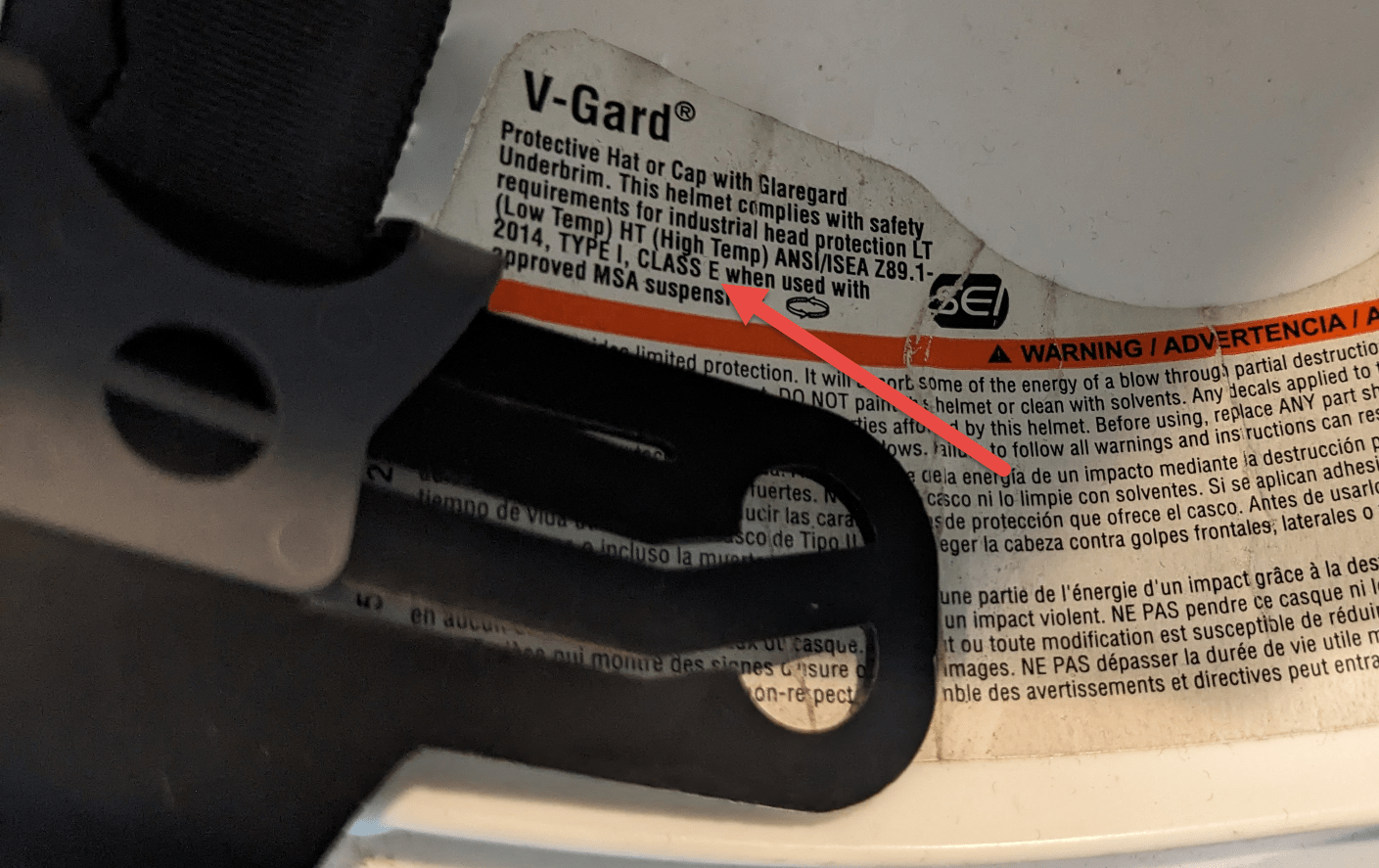

Remember, protecting equipment and keeping it running goes hand in hand with protecting workers from arc flash hazards. By investing in good fault current analysis and arc flash assessments, companies can create safer workplaces and more reliable electrical systems. This proactive approach not only keeps workers safer but also helps the company run more smoothly and follow important rules.